Introduction
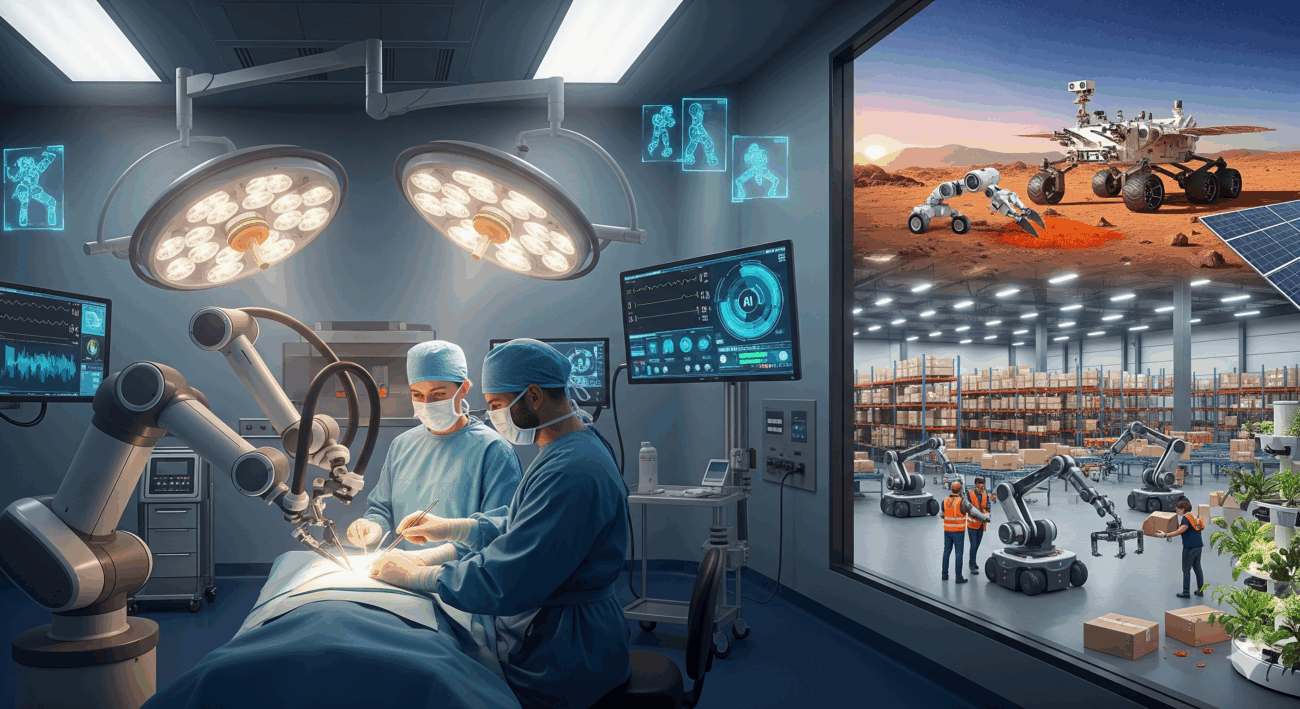
From the factory floor to the operating room, robots are no longer confined to science fiction. They are rapidly becoming an integral part of our world, transforming industries and reshaping our daily lives. This evolution isn’t just about automating simple tasks; it represents a fundamental shift in how we approach problem-solving, productivity, and human potential. Understanding the future of robotics is crucial because it offers a glimpse into the next wave of technological advancement. The integration of robotics innovation with artificial intelligence is creating machines that can learn, adapt, and collaborate in ways we once only imagined.
The importance of robotics in the future technology landscape cannot be overstated. As global challenges like labor shortages, supply chain disruptions, and the need for sustainable practices intensify, robotics offers powerful solutions. This article will explore the key drivers behind this technological revolution. We will examine the latest robotics technology trends, from collaborative robots to intelligent automation, and delve into the wide-ranging robotics applications that are redefining what’s possible. Join us as we uncover why the future of robotics is not just about building better machines, but about creating a smarter, more efficient, and more connected world.
The Future of Robotics: Trends and Predictions
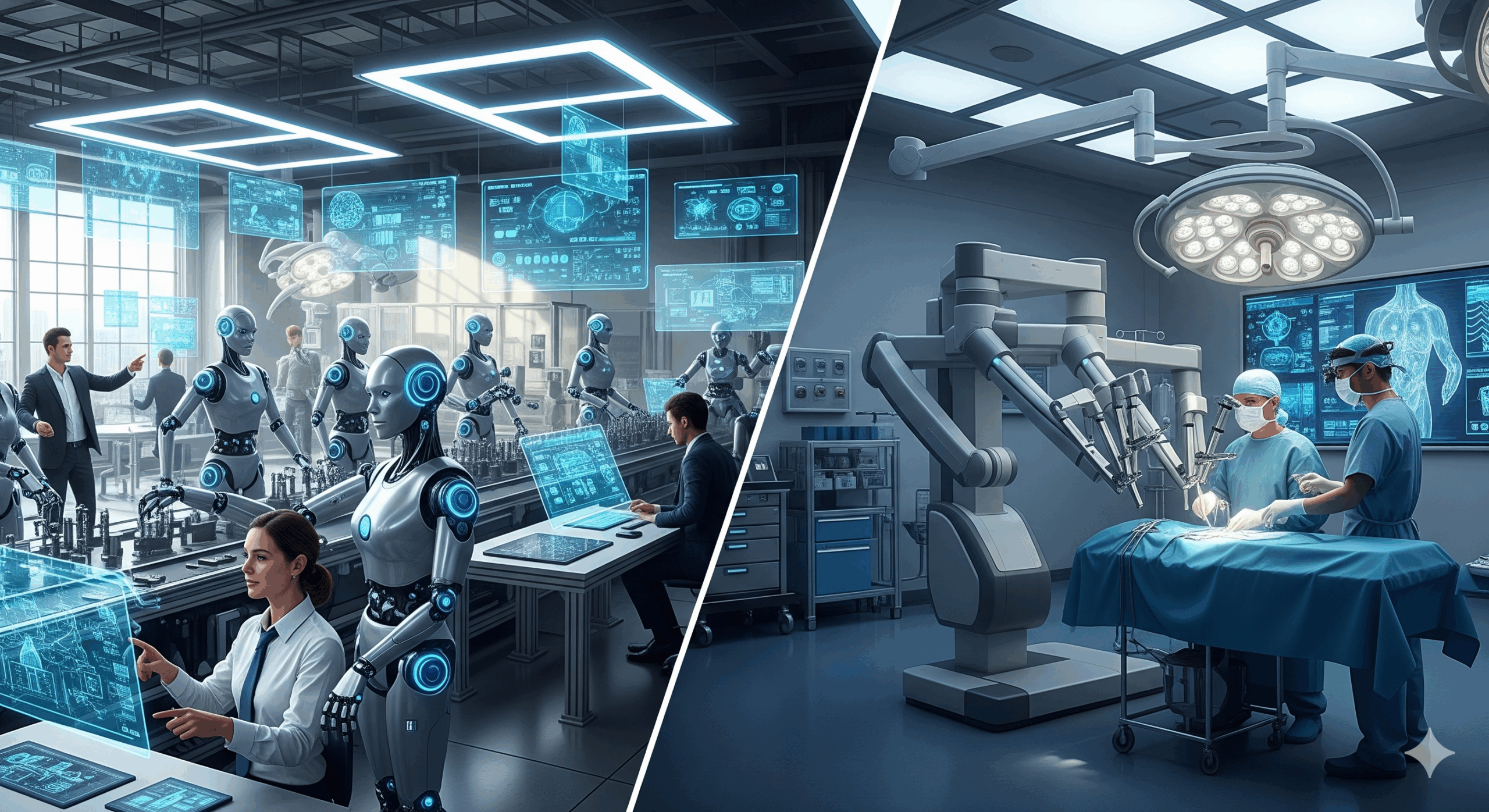
The future of robotics is being shaped by a convergence of advanced hardware, sophisticated software, and powerful artificial intelligence. We are moving beyond pre-programmed machines that perform repetitive tasks. The next generation of robots is autonomous, intelligent, and collaborative. AI-driven autonomous robots can perceive their environment, make decisions, and learn from experience, allowing them to navigate complex and dynamic settings without human intervention. This capability is unlocking new robotics applications in logistics, exploration, and personal assistance.
Simultaneously, collaborative robots, or “cobots,” are designed to work safely alongside humans, sharing a workspace and augmenting human skills rather than replacing them. This trend is democratizing automation, making it accessible to businesses of all sizes. As we look toward 2025 and beyond, we can anticipate wider adoption of robotics across industries and even in our homes. These machines will become more intuitive, adaptable, and integrated into our digital ecosystems, heralding an era where human-robot collaboration drives unprecedented progress and robotics innovation.
Robotics Technology Trends
Several key robotics technology trends are accelerating the industry’s growth and expanding its capabilities. These advancements are making robots more intelligent, versatile, and accessible than ever before, paving the way for the future of robotics.
AI and Machine Learning Integration in Robotics
The fusion of Artificial Intelligence (AI) and Machine Learning (ML) with robotics is perhaps the most significant trend driving the future of robotics. AI gives robots the “brains” to interpret sensory data, understand their surroundings, and make intelligent decisions. Machine learning allows them to improve their performance over time by learning from data and experience. This integration enables robots to handle variability and unpredictability, moving beyond the structured environments of traditional factory floors. This robotics innovation is critical for tasks requiring fine motor skills, object recognition, and natural language interaction.
Rise of Collaborative Robots (Cobots)
Collaborative robots are a major force in modern automation. Unlike traditional industrial robotics, which are often caged for safety, cobots are built with advanced sensors and safety protocols that allow them to operate safely next to human workers. This collaboration enhances productivity by combining the strength, precision, and endurance of robots with the creativity, problem-solving skills, and dexterity of humans. The rise of cobots is a core component of the future of robotics, particularly in manufacturing, assembly, and logistics where teamwork is essential.
Robotics as a Service (RaaS)
Robotics as a Service (RaaS) is a business model that lowers the barrier to entry for automation. Instead of a large upfront capital investment to purchase robots, companies can lease robotic hardware and software on a subscription basis. This model includes installation, maintenance, and support, making advanced robotics applications accessible to small and medium-sized enterprises (SMEs). RaaS is democratizing the future of robotics, allowing more businesses to leverage automation to improve efficiency and competitiveness without significant financial risk.
Advances in Modular, Adaptable, and Energy-Efficient Robotics
Modern robotics innovation is focused on creating systems that are more flexible and sustainable. Modular robots can be easily reconfigured with different tools and components to perform a variety of tasks, increasing their utility and return on investment. Adaptable robotics platforms use advanced software to quickly adjust to new workflows or products. Furthermore, there is a growing emphasis on energy efficiency to reduce the operational cost and environmental impact of robotic systems, a key consideration for the sustainable future of robotics.
Robotics Innovation Driving Transformation
True transformation comes from pushing the boundaries of what is currently possible. Several emerging areas of robotics innovation are poised to create disruptive changes across multiple sectors. These advancements are not just incremental improvements; they represent entirely new ways of thinking about how robots are designed, built, and deployed.
Emerging Innovations: Soft Robotics, Bio-inspired Grippers, and Swarm Robotics
- Soft Robotics: Traditional robots are made of rigid materials, which limits their ability to interact with delicate or irregularly shaped objects. Soft robotics uses flexible, compliant materials inspired by biological organisms like octopuses. This robotics innovation allows for safer interaction with humans and fragile items, opening up new possibilities in robotics in healthcare and food handling.
- Bio-inspired Grippers: Drawing inspiration from nature, engineers are developing grippers that mimic the functionality of geckos’ feet or elephant trunks. These designs allow robots to grasp a wider variety of objects with greater reliability and less force, a critical advancement for logistics and manufacturing.
- Swarm Robotics: Inspired by ant colonies and schools of fish, swarm robotics involves deploying large groups of simple, coordinated robots that work together to accomplish a common goal. This decentralized approach is robust and scalable, making it ideal for complex tasks like environmental monitoring, search and rescue, and precision agriculture. The collective intelligence of a swarm is a cornerstone of the future of robotics.
Underexplored Fields: Underwater, Flying, and Self-Healing Robots
While industrial robotics and robotics in healthcare are well-established, some of the most exciting robotics innovation is happening in less conventional environments. Underwater robots are exploring the deep sea, mapping the ocean floor, and inspecting subsea infrastructure. Flying robots, or drones, have revolutionized aerial photography, package delivery, and infrastructure inspection. Looking ahead, researchers are even developing self-healing robots with materials that can repair themselves after damage, dramatically increasing their longevity and reliability in hazardous environments. These frontiers are vital to the long-term future of robotics.
Wide-Ranging Robotics Applications
The impact of robotics is felt across nearly every industry. As technology matures, the list of practical robotics applications grows, demonstrating the versatility and power of these intelligent machines. From large-scale manufacturing to personalized healthcare, the future of robotics is about widespread, meaningful integration.
| Industry | Key Robotics Applications | Primary Benefits |
| Manufacturing | Assembly, welding, painting, packaging, quality control | Increased productivity, improved worker safety, enhanced precision |
| Healthcare | Surgical assistance, rehabilitation, pharmacy automation, patient monitoring | Greater surgical accuracy, improved patient outcomes, operational efficiency |
| Logistics | Warehouse automation (picking & packing), sorting, last-mile delivery | Faster order fulfillment, reduced errors, improved supply chain visibility |
| Agriculture | Autonomous tractors, precision spraying, automated harvesting, crop monitoring | Increased yields, reduced labor costs, sustainable resource management |
| Education | STEM learning tools, programming kits, research platforms | Hands-on learning, engagement in technical fields, skill development |
| Household | Robotic vacuums, lawn mowers, pool cleaners, personal assistants | Convenience, time savings, assistance for elderly and disabled individuals |
This table illustrates just a fraction of the current and emerging robotics applications. The common thread is the ability of robotics to augment human capabilities, automate repetitive or dangerous tasks, and introduce a new level of efficiency and precision. As robotics technology trends continue to evolve, we can expect to see even more innovative uses that address critical societal needs. The future of robotics lies in its adaptability to solve problems in any environment.
Robotics in Healthcare: Expanding Roles
The field of medicine is undergoing a profound transformation, with robotics in healthcare at the forefront of this evolution. Robotic systems are no longer just tools; they are becoming partners to clinicians, enhancing their abilities and improving patient outcomes. The impact is seen in surgical suites, rehabilitation centers, and hospital logistics.
The most recognized application of robotics in healthcare is in robot-assisted surgery. Systems like the da Vinci Surgical System provide surgeons with magnified, 3D high-definition vision and wristed instruments that bend and rotate far greater than the human hand. This translates to enhanced precision, control, and smaller incisions, often leading to less pain, reduced blood loss, and faster recovery times for patients. The future of robotics in surgery points toward even greater autonomy, where robots might perform certain procedural steps under a surgeon’s supervision.
Beyond the operating room, robotics in healthcare is addressing critical workforce shortages. Robots can automate tedious, time-consuming tasks in hospital pharmacies and laboratories, such as sorting medication or handling test samples, freeing up pharmacists and technicians to focus on patient care. Rehabilitation robots help patients regain mobility after a stroke or injury, providing consistent and personalized therapy. Socially assistive robots are also being used in elder care to provide companionship and monitor well-being. This use of robotics innovation is vital for sustainable healthcare systems.
Industrial Robotics: Backbone of Modern Manufacturing
Industrial robotics has long been the powerhouse of the manufacturing sector, and its role continues to expand and evolve. For decades, large robotic arms have performed heavy-duty tasks like welding, painting, and assembly with unmatched speed and precision. Today, the landscape of industrial robotics is becoming more intelligent, connected, and collaborative.
The integration of cobots into factories is a major trend. These robots work alongside human employees on assembly lines, handling repetitive or ergonomically challenging tasks while the human worker focuses on more complex or quality-critical steps. This human-robot collaboration enhances both productivity and worker safety.
Furthermore, modern industrial robotics is deeply integrated with digital systems. Robots are connected to the Industrial Internet of Things (IIoT), providing real-time data on performance, maintenance needs, and production output. This data is analyzed to optimize workflows, predict failures before they happen, and create a truly “smart” factory. This synergy between physical automation and digital intelligence is a hallmark of the future of robotics in manufacturing. This advanced automation is no longer exclusive to large corporations; emerging robotics technology trends are making it accessible for small and medium-sized enterprises (SMEs) as well.
Unlocking Robotics for Small Businesses
For many years, the high cost and complexity of industrial robotics placed it out of reach for most small and medium-sized enterprises (SMEs). However, a wave of robotics innovation is changing this dynamic, making automation more accessible and affordable than ever. This democratization is a critical component of the future of robotics, as it allows businesses of all sizes to compete on a more level playing field.
One of the biggest enablers is the availability of affordable, easy-to-use cobots. These robots are designed with intuitive, no-code programming interfaces that allow employees without an engineering background to set up and deploy them for simple tasks like machine tending, packaging, or inspection. This dramatically reduces the integration time and cost associated with traditional automation.
The Robotics-as-a-Service (RaaS) model is another game-changer. By allowing businesses to lease robotic capabilities on a subscription basis, RaaS eliminates the need for a large upfront capital investment. This operating expense model makes financial planning easier and provides access to the latest robotics technology trends without the risk of owning depreciating assets. Case studies show small businesses using RaaS for warehouse fulfillment or assembly tasks, achieving a rapid return on investment and enabling them to scale operations efficiently.
Overcoming Data and Integration Challenges

Despite rapid advancements, the future of robotics is not without its hurdles. One of the most significant is the “100,000-year data gap.” While an AI for image recognition can be trained on millions of labeled images from the internet, a robot must learn through physical interaction with the world—a much slower and more data-intensive process. A human might take years to master a skill, but they learn continuously; for a robot to acquire that same level of experience would require an immense amount of real-world operational data that simply doesn’t exist yet.
Bridging the gap between simulation and the real world is a major focus of robotics innovation. Engineers use sophisticated simulations to train robots in a virtual environment, which is faster and safer than real-world training. However, discrepancies between the simulation and reality—a concept known as the “sim-to-real gap”—can cause a robot trained in a virtual world to fail in the physical one. Overcoming this requires more realistic physics engines and techniques that allow robots to adapt to these differences. Addressing these engineering challenges is paramount for expanding robotics applications into more complex and unstructured environments.
Why Robotics is the Future of Technology
Robotics is more than just another technological tool; it represents a convergence of mechanical engineering, computer science, and artificial intelligence that will fundamentally drive future economic growth and productivity. By automating tasks that are dangerous, dull, or dirty, robotics frees up human workers to focus on higher-value roles that require creativity, critical thinking, and emotional intelligence. This shift enhances human-robot collaboration, creating a workforce where the complementary strengths of both are maximized.
Moreover, robotics is poised to address some of the world’s most pressing global challenges. In manufacturing and logistics, automation can help overcome labor shortages and strengthen supply chains. In agriculture, robotic systems can increase food production sustainably. In healthcare, robotics in healthcare can improve access to quality care and support aging populations. The continued robotics innovation and adoption of new robotics applications will be central to building a more resilient, productive, and sustainable global economy. The future of robotics is inextricably linked to the future of human progress.
Conclusion
The journey into the future of robotics is well underway, and its momentum is accelerating. From the intelligent automation of industrial robotics to the life-saving precision of robotics in healthcare, the impact of this technology is both broad and deep. Key robotics technology trends like AI integration, collaborative robots, and the RaaS model are making automation more powerful and accessible, fueling a new wave of robotics innovation.
As we have seen, the path forward involves overcoming significant challenges, particularly in data acquisition and real-world adaptation. Yet, the potential benefits—from boosting economic productivity to solving critical societal needs—are immense. The future of robotics is not one of human replacement, but of human augmentation. It is a future defined by collaboration, where intelligent machines empower us to work smarter, live healthier, and build a more efficient world. Embracing this transformative technology is not just an option; it is an imperative for any organization or society looking to thrive in the decades to come.